Metabolic Emergency ProtocolMetabolic Emergency Protocol

Choose language

A Patient's Guide to Metabolic Decompensation

Practical tips/instructions to use the generic online emergency letter

  • Introduction

    Recurrent metabolic decompensation are a risk in many different metabolic diseases. If patients get a cold, are vomiting, get an infection or trauma, cannot eat/drink normally or are excited about an upcoming event (like a birthday), they are at risk of metabolic decompensation. This protocol aims to prevent metabolic decompensation and to safely manage at home (phase 1) or during the first hours in the hospital (phase 2).

    If a patient gets ill, the first phase of the emergency protocol can be started at home. If the result is successful, hospitalization may possibly be prevented. If hospital admission is necessary, the online emergency protocol provides a clear picture of the actual situation for both parents/patients and health care providers. This can prevent unsafe situations and will optimize communications between parents and doctors.

    In case of peri-operative therapy, the infusion rates in this protocol are generally satisfactory. However, at both acute and routine procedures, specialist metabolic advise is warranted.

    By following the medical and communication steps of this protocol, parents/patients can collaborate with health care providers to prevent the decompensation as much as possible.

    HOW ?

    To generate the protocol the following details must be filled in, in the web application:

    • the name of the patient
    • the specific disease he/she has,
    • his/her weight in kg,
    • the language,
    • possible sick-day regimen
    • the details of metabolic specialists and healthcare providers, and phone numbers for consultation in emergency situations
  • Guide for parents and patients

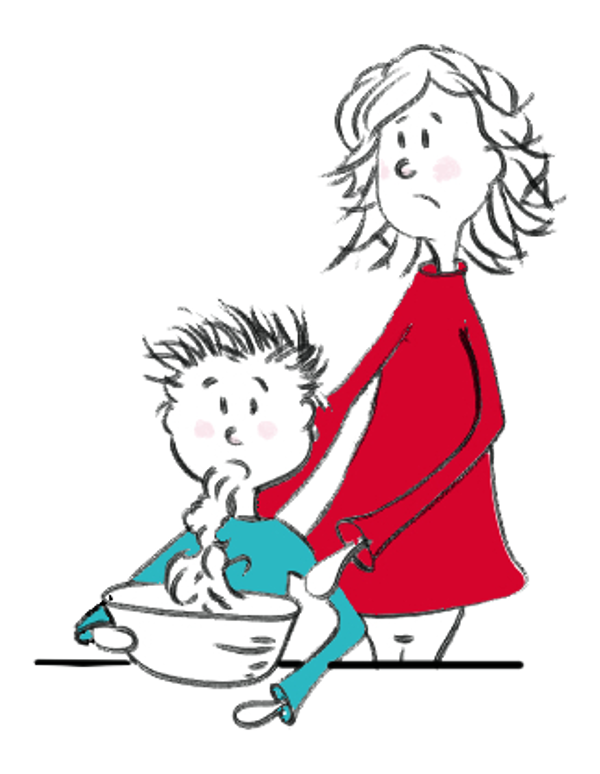
    1. Symptoms to watch for can be general (such as vomiting, fever) or specific for your metabolic disease (such as muscle ache). Under these circumstances, metabolic patients need extra energy to recuperate. But the metabolic defect prevents this. As a result, metabolic decompensation may occur. Due to this decompensation the lack of energy can become worse and sometimes toxic substances are formed. 

      When your child gets ill
    2. If you suspect metabolic decompensation, start the protocol. Prepare to follow it step by step, according to your personalized version. Contact your local specialist and/or metabolic specialist to inform them you started the protocol. The phone numbers of the doctor/hospital/department you need to call, are listed in the protocol.

      Phase 1, step 1
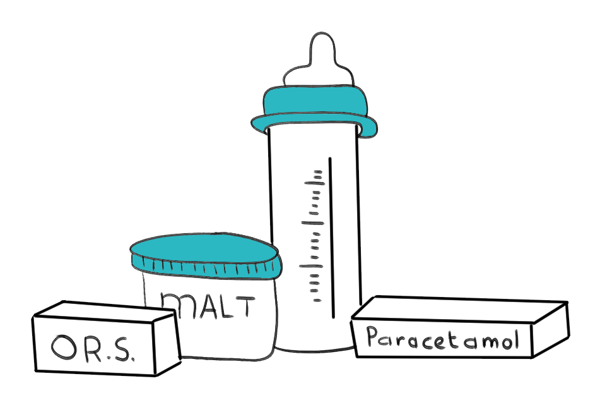
    3. Follow the protocol and give paracetamol, maltodextrine and /or Oral Rehydration Salt as prescribed by the protocol. Lowering the body temperature is important to decrease the metabolic demands. Paracetamol is a good first step. Some doctors may advise alternative or additional antipyretic drugs, such as NSAIDs.

      Phase 1, step 2
    4. Check your child every three hours, also during the night. If your child gets better, contact the doctor to communicate this. If your child gets worse, go to phase 2 of the protocol. This needs to be executed in hospital.

      Does your child feel better?
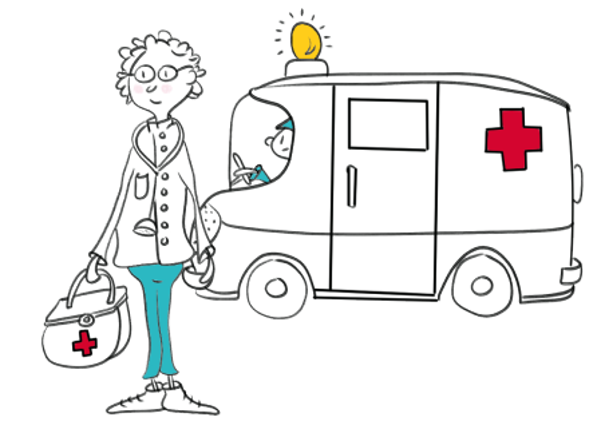
    5. Call the paediatric department of the hospital close to your home to inform them that you need admittance. Bring your child to the hospital and take the emergency protocol with you. If your child’s situation is very serious, you can call an ambulance. Give the protocol to a doctor or nurse (or ambulance staff) as soon as possible and emphasize its importance. Also cite the name of the doctor(s) you have informed. The protocol can then be followed further. See to it that the metabolic specialist is called to communicate about further steps.

      Phase 2 Call an ambulance or bring your child to the hospital
  • Patient's guide roadmap


  • Tips

    Tip 1
    Tip 1

    TIP 1 Before using the protocol for the first time, share and discuss it with the healthcare professionals in the hospital where you/your child will be admitted in case of an emergency. Explain the importance of the emergency protocol and point out what the risks are when this protocol is not followed properly. You may want to ask your specialist to help with this. Ask the local hospital who/which department you can call directly when phase 2 of the protocol must be used. Write this number down here: ________________________.


    Tip 2
    Tip 2

    Check your supply of Paracetamol, ORS and Resource/Fantomalt (these are brand names of a mixture of dextrose and maltose sugars) regularly. These products must always be readily available as soon as the protocol needs to be started. For certain diseases you will also need supplies to start tube feeding.

    Tip 3
    Tip 3

    When travelling: make a copy of the protocol for use in the car or scan the protocol so you can open it on your phone. This way you will always have it readily available while travelling. It is also useful to read the protocol again before leaving home. Make sure you bring everything you may possibly need on your travels.

    Tip 4
    Tip 4

    Make sure that a printed version of the protocol is accessible in a fixed location at home (for example on the table/fridge door). The protocol may be kept in a plastic cover to keep it clean. Also always take a version of the protocol with you when travelling. 

    Tip 5
    Tip 5

    Check a child’s weight regularly. The emergency protocol must be adjusted as soon as the child’s weight has changed more than 10%. Inform your specialist when you print a new protocol with an adjusted weight.

    Tip 6
    Tip 6

    Read and update the emergency protocol regularly. At least once every six months. Involve the patient in this by using the accompanying non-verbal infographic, so that he or she also knows what to do when feeling ill.

    Tip 7
    Tip 7

    This is not a treatment protocol. Emergency protocols are used for the first 24-48 hours. Communication with local and metabolic specialists is therefore important, especially when laboratory results are available in the hospital.

    Tip 8
    Tip 8

    For this protocol, the definition of fever is: A one-time measured temperature of more than 38.5ºC or twice-measured temperature of 38.0ºC, with a one hour interval.

    Tip 9
    Tip 9

    The emergency solution or iv-glucose infusion should never be stopped abruptly, because this may cause rebound hypoglycemia.

    Tip 10
    Tip 10

    Taking/prescribing anti-emetic medications (such as ondansetron/Zofran) is not encouraged, without discussing this with the metabolic specialist first.